Mega Man Dual Override Is Mega Man 12: Capcom's Naming Explained
Discover why Mega Man Dual Override is effectively Mega Man 12, why Capcom dropped the number for the 2027 release, and what fans can expect.
Last updated:
Source note: Dates, platforms and mechanic descriptions on this page come from Capcom's official Mega Man Dual Override pages, the Steam store listing, and our own checks as of October 2026. Anything marked Unverified comes from third-party reporting or leaked data we could not confirm ourselves; items marked Unknown are things nobody has published yet.
When Capcom announced the latest entry in the franchise, many long-time players immediately asked whether the upcoming title was actually Mega Man 12.
Doesn't apply when: Any mechanic marked **Unverified** is a community or leak report, not a confirmed Capcom statement.
Why Capcom Dropped the Numbered Sequel Format
When Capcom announced the latest entry in the franchise, many long-time players immediately asked whether the upcoming title was actually Mega Man 12. According to developer interviews and official statements found on sources like Nintendo Everything, Mega Man Dual Override is indeed the direct mainline continuation following Mega Man 11. However, the creative team deliberately chose to move away from sequential numbering to make the franchise more approachable (Confirmed).
Producers Shingo Izumi and Hiroyuki Minamitani, along with director Shinya Ikuta, explained that as series numbering climbs into double digits, potential newcomers can feel intimidated. Seeing an eleven or a twelve makes players think they need to master every previous entry before jumping in. By substituting a distinct subtitle instead of sticking strictly to the traditional format, Capcom aims to position this release as a fresh, welcoming entry point while maintaining its core identity as part of the main series/mega-man-dual-override-is-mega-man-12 timeline.
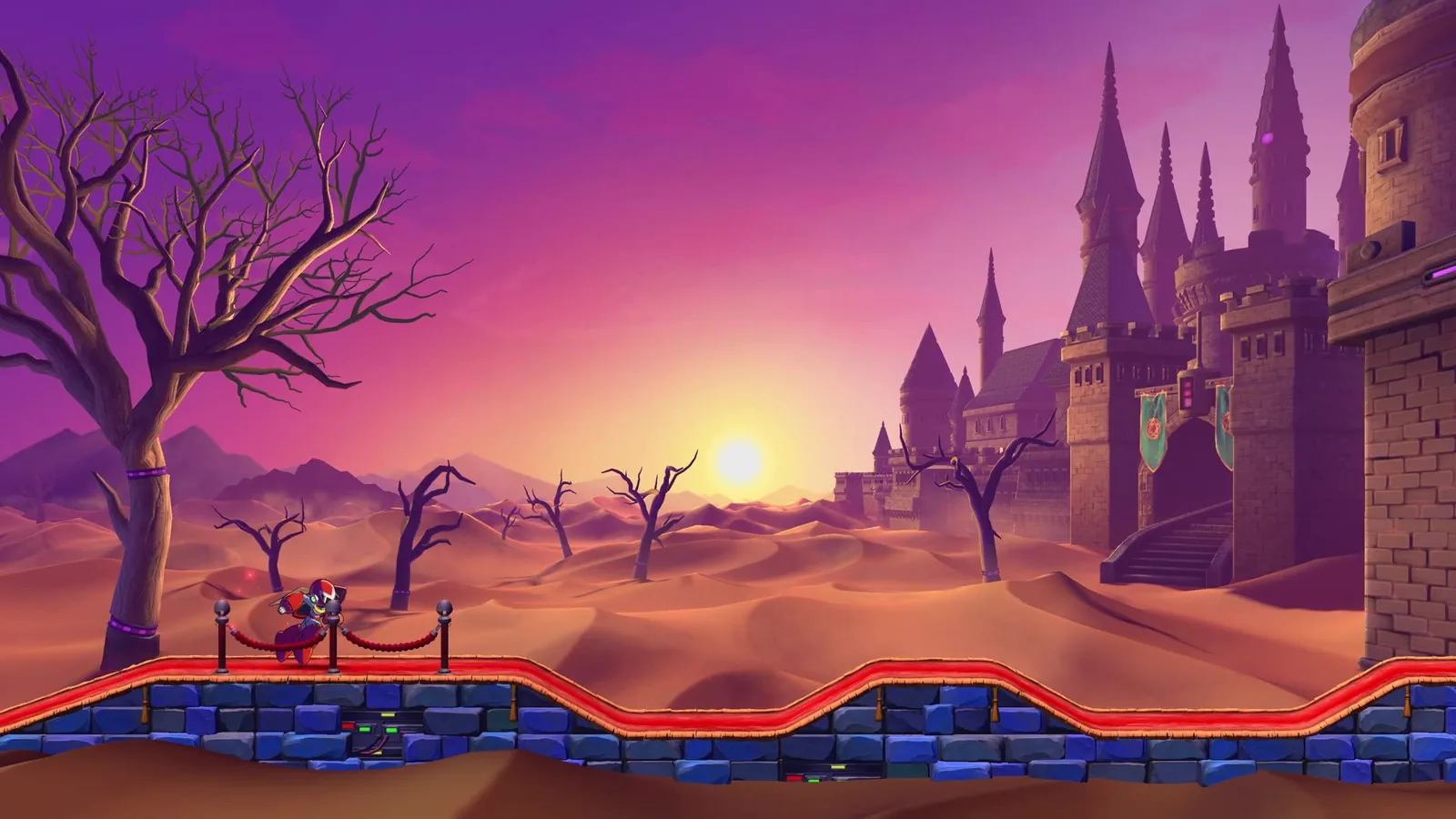
Furthermore, this shift is not entirely unprecedented within the broader context of the franchise's history. While international releases relied heavily on numbers, Japanese iterations frequently utilized descriptive subtitles alongside numbers. Fans discussing the change on platforms like Reddit have noted that the opening in-game cinematics and environmental design—such as digital hallway screens and floor numbers—still subtly acknowledge the game's chronological place as the twelfth core title (Observed).
| Title Feature | Sequential Numbering (Mega Man 11) | Subtitle Approach (Mega Man Dual Override) | Fact Status |
|---|---|---|---|
| Naming Structure | Uses direct integer (11) | Uses descriptive subtitle | Confirmed |
| Newcomer Appeal | Can feel intimidating or require catching up | Designed to feel fresh and accessible | Confirmed |
| Chronological Place | Direct continuation of the classic timeline | Direct continuation following the 11th game | Confirmed |
| Internal Continuity | Part of the main classic series | Part of the main classic series | Confirmed |
Understanding the Eight-Year Gap and Development History
The wait between releases has been a major topic of discussion among enthusiasts who remember when new entries arrived more frequently. It has been eight years since the launch of the previous installment, prompting community questions regarding the long hiatus. Capcom addressed this by stating that the team used the time to re-examine the core pillars of the franchise, aiming to innovate mechanics while preserving the tight platforming action fans expect (Confirmed).
Development duties for the project involve a blend of experienced veterans from earlier titles and new developers bringing fresh concepts to the table (Confirmed). This collaborative mixing of generations has shaped the overall design philosophy of the project. Additionally, the development team utilized the RE Engine for the first time in a classic-style entry, which has streamlined optimization across multiple target hardware configurations (Confirmed).
| Development Aspect | Approach for Dual Override | Fact Status |
|---|---|---|
| Engine Technology | Built on the RE Engine for multi-platform optimization | Confirmed |
| Team Composition | Blend of veteran creators and new blood | Confirmed |
| Core Focus | Balancing franchise tradition with fresh innovations | Confirmed |
| Release Timing | Planned to align with the franchise's 40th anniversary | Confirmed |
Returning Faces, Playable Characters, and New Bosses
Beyond the title change, the upcoming game expands its roster of playable protagonists and enemies. Players will be able to choose between playable characters such as the titular blue hero and proto man, each offering distinct mechanics (Confirmed). Proto Man brings a technical playstyle centered around his signature shield actions and special defensive maneuvers, though players must manage an overheat mechanic when utilizing these abilities aggressively (Confirmed).
The stage design also incorporates tiered difficulty levels to help guide players through the challenges. Stages are structured into three distinct areas, with Area 1 serving as the most accessible entry point and Area 3 culminating in a fierce confrontation against a Robot Master (Observed). Speaking of bosses, recent promotional trailers and community deep-dives on channels like YouTube have showcased unique Robot Masters such as Tank Man and Twinkle Girl, alongside classic returning foes like Astro Man (Observed).
| Character / Boss | Role in Dual Override | Fact Status |
|---|---|---|
| Mega Man | Playable hero featuring traditional buster and special weapons | Confirmed |
| Proto Man | Playable hero featuring shield-based technical combat | Confirmed |
| Tank Man | Robot Master presiding over an oil refinery stage | Observed |
| Twinkle Girl | Robot Master featuring a fireworks performance theme | Observed |
Innovative Mechanics and the Override System
To set this installment apart from its predecessors, Capcom has introduced new gameplay systems designed to alter combat flow. The standout mechanic is the Override system, which allows robotic characters to temporarily lift their limiters and unleash extraordinary power (Confirmed). While active, this feature grants enhanced capabilities, but it carries a tactical downside: once the timer expires, the character enters a vulnerable state with temporarily reduced operational performance (Confirmed).
Players must carefully weigh the timing of this transformation rather than relying on it indiscriminately. Furthermore, special weapons and chips add another layer of strategy. For instance, defeating Robot Masters allows players to acquire unique power-ups, and mechanics like collecting bolts even when failing to clear a full stage help newcomers build up resources over time (Observed). These features demonstrate an intentional effort to make the challenging platforming loop more approachable without sacrificing the depth hardcore fans demand.
| Gameplay System | Function and Effect | Fact Status |
|---|---|---|
| Override System | Temporarily boosts power at the cost of subsequent vulnerability | Confirmed |
| Shield Actions | Proto Man analyzes boss combat data to execute defensive moves | Confirmed |
| Stage Progression | Three-tiered difficulty zones within individual stages | Observed |
| Resource Retention | Collect bolts during runs even if a stage is unfinished | Observed |
Platform Availability and Anticipated Launch Window
For players planning their hardware setups, Capcom has confirmed that the title will release across current and next-generation hardware platforms (Confirmed). According to official listings on the Capcom Official Website, the game is scheduled to launch in Spring 2027 to coincide with the milestone 40th anniversary of the franchise (Confirmed).
Platform support spans both the nintendo switch 2 and the original Nintendo Switch, alongside companion amiibo figures planned for release (Confirmed). Whether players choose to experience the adventure on Nintendo hardware or other modern systems powered by the RE Engine, the game represents a significant milestone for the franchise.
| Release Detail | Official Information | Fact Status |
|---|---|---|
| Launch Window | Spring 2027 | Confirmed |
| Target Platforms | Nintendo Switch and Nintendo Switch 2 | Confirmed |
| Companion Products | Mega Man and Proto Man amiibo figures | Confirmed |
| Official Source | Capcom Game Portal and Promotional Showcases | Confirmed |
The naming question also affects how you should read older coverage: a page written as "Mega Man 12" and a page written as "Mega Man Dual Override" are describing the same game, so both spellings are worth checking when you are looking for a specific claim. The comparison with Mega Man 11 shows what actually changed between entries, and the remake question covers the related belief that this is a re-release rather than a new game.
Frequently Asked Questions
Is Mega Man Dual Override officially considered Mega Man 12?
Yes, Capcom confirms that this title is the direct mainline continuation in the classic franchise, functioning as the twelfth core entry despite dropping the sequential number in its title to remain welcoming to newcomers. Confirmed
Why did Capcom decide not to call the game Mega Man 12?
Capcom noted that high sequential numbers can intimidate new players who feel they must play every prior game. Using a descriptive subtitle makes the release feel like an accessible jumping-on point for everyone. Confirmed
When is Mega Man Dual Override scheduled to be released?
The game is scheduled for launch in Spring 2027, perfectly aligning with the 40th anniversary celebrations of the iconic franchise. Confirmed
Which characters are playable in Mega Man Dual Override?
Both Mega Man and Proto Man are confirmed playable characters, each featuring unique combat styles, specialized weapons, and distinct mechanical abilities like the Override system and shield actions. Confirmed
What platforms will Mega Man Dual Override be available on?
Capcom has confirmed releases for the Nintendo Switch and Nintendo Switch 2, utilizing the RE Engine to ensure optimized performance across platforms. Confirmed
Related Guides
Is Mega Man Dual Override a Remake? Unpacking the 12th Mainline Entry
Is Mega Man Dual Override a remake? Discover the truth about Capcom's upcoming 2027 action platformer, its place in the series, and new gameplay features.
Mega Man Dual Override vs 11: Comparing Graphics, Gameplay, and Mechanics
Explore the differences in Mega Man Dual Override vs 11, analyzing art style evolution, new character mechanics, and features coming in Spring 2027.
Mega Man Dual Override Announcement Date: When Was Capcom's Next Game Revealed?
Find out the exact Mega Man Dual Override announcement date, history, trailer reveals, and launch windows confirmed by Capcom for the upcoming game.
Mega Man Dual Override Is It Out? Release Window and Launch Details
Is Mega Man Dual Override out yet? Get the latest details on the upcoming Capcom action platformer, its Spring 2027 release window, and platforms.
Mega Man Dual Override Demo Download Status: What to Expect and Release Details
Looking for a Mega Man Dual Override demo download? Check current official Capcom availability, release windows, platforms, and expected features.
Mega Man Dual Override Demo Release Date: What Capcom Has Shared
Discover the latest details surrounding the Mega Man Dual Override demo release date, including hands-on previews, platform details, and Capcom news.